

Best Slow travel Destinations in Europe
Your ultimate guide to relaxed, immersive journeys across Europe. Picture yourself meandering through quiet countryside trails, cruising past coastal villages, or discovering Europe’s hidden gems, at your own pace. This slow travel destination guide will help you decide the best places to go for the ultimate relaxation.
Help - Pets
Pets
Please enter the number of pets you are travelling with. 'Pet Lounge' and 'Pet in car' options can be added to your booking in the Add Ons section.
Maximum 5 dogs per booking. We do not transport any UK banned breeds of dogs on our vessels.
Please do not add your guide dog here, this should be selected from the Special Assistance drop down menu below. For more information visit our Pet Page.
Help - Pets
Pets
Please enter the number of pets you are travelling with. 'Pet Lounge' and 'Pet in car' options can be added to your booking in the Add Ons section.
Maximum 5 dogs per booking. We do not transport any UK banned breeds of dogs on our vessels.
Please do not add your guide dog here, this should be selected from the Special Assistance drop down menu below. For more information visit our Pet Page.
Help - Pets
Small dog
Small Dog less than 20kg. For more information on travelling with your pet, visit our dedicated page here.Help - Pets
Large dog
Medium Dog 20kg to 35kg. For more information on travelling with your pet, visit our dedicated page here.Help - Pets
Extra large dog
Large Dog 36kg to 45kg. For more information on travelling with your pet, visit our dedicated page here.Help - Pets
Small Pet
Cat or Ferret. For more information on travelling with your pet, visit our dedicated page here.Help - Pets
Other pet
Please contact our friendly customer service team on +44 (0)1304 44 88 88 to ensure we can accommodate your pet.Help - Pets
Small dog
Small Dog less than 20kg. For more information on travelling with your pet, visit our dedicated page here.Help - Pets
Large dog
Medium Dog 20kg to 35kg. For more information on travelling with your pet, visit our dedicated page here.Help - Pets
Extra large dog
Large Dog 36kg to 45kg. For more information on travelling with your pet, visit our dedicated page here.Help - Pets
Small Pet
Cat or Ferret. For more information on travelling with your pet, visit our dedicated page here.Help - Pets
Other pet
Please contact our friendly customer service team on +44 (0)1304 44 88 88 to ensure we can accommodate your pet.Help - Pets
Pet Staying in Car
On our Cairnryan to Larne route pets are welcome and can travel free of charge at all times. Maximum 5 pets per booking. Please note, pets must remain in the vehicle at all times during the crossing. Commercial pet travel should be booked via our freight website, for more information and guidance on if your journey is commercial, please click here.Help - Pets
Pet Staying in Car
On our Cairnryan to Larne route pets are welcome and can travel free of charge at all times. Maximum 5 pets per booking. Please note, pets must remain in the vehicle at all times during the crossing. Commercial pet travel should be booked via our freight website, for more information and guidance on if your journey is commercial, please click here.Please note
More than 9 of you travelling?
Please contact our friendly customer service team on
Special assistance required
Please select one of the options from the drop down menu. If you are travelling on our Dover to Calais route as a foot passenger and have selected the need for special assistance, please ensure you inform us of your needs at least 48hrs in advance of travel. If you need to speak with our contact centre please call
Vehicle size (Including roof luggage)
Vehicle size (Including roof luggage)
Vehicle size (Including roof luggage)
Vehicle size (Including roof luggage)
Trailer/Caravan Size
Trailer/Caravan Size
Trailer/Caravan Size
Trailer/Caravan Size
Vehicle size (Including roof luggage)
Vehicle size (Including roof luggage)
Vehicle size (Including roof luggage)
Vehicle size (Including roof luggage)
Trailer/Caravan Size
Trailer/Caravan Size
Trailer/Caravan Size
Trailer/Caravan Size
Vehicle size (Including roof luggage)
Vehicle size (Including roof luggage)
Vehicle size (Including roof luggage)
Vehicle size (Including roof luggage)
Trailer/Caravan Size
Trailer/Caravan Size
Trailer/Caravan Size
Trailer/Caravan Size
Vehicle size (Including roof luggage)
Vehicle size (Including roof luggage)
Vehicle size (Including roof luggage)
Vehicle size (Including roof luggage)
Trailer/Caravan Size
Trailer/Caravan Size
Trailer/Caravan Size
Trailer/Caravan Size
Vehicle size (Including roof luggage)
Vehicle size (Including roof luggage)
Vehicle size (Including roof luggage)
Vehicle size (Including roof luggage)
Trailer/Caravan Size
Trailer/Caravan Size
Trailer/Caravan Size
Trailer/Caravan Size
Trailer/Caravan Size
Trailer/Caravan Size
Vehicle size (Including roof luggage)
Vehicle size (Including roof luggage)
Vehicle size (Including roof luggage)
Vehicle size (Including roof luggage)
Trailer/Caravan Size
Trailer/Caravan Size
Trailer/Caravan Size
Trailer/Caravan Size
Trailer/Caravan Size
Trailer/Caravan Size
Please contact our friendly customer service team on
Please select one of the options from the drop down menu. If you are travelling on our Dover to Calais route as a foot passenger and have selected the need for special assistance, please ensure you inform us of your needs at least 48hrs in advance of travel. If you need to speak with our contact centre please call
Please contact our friendly customer service team on
Please enter the number of pets you are travelling with. 'Pet Lounge' and 'Pet in car' options can be added to your booking in the Add Ons section.
Maximum 5 dogs per booking. We do not transport any UK banned breeds of dogs on our vessels.
Please do not add your guide dog here, this should be selected from the Special Assistance drop down menu below. For more information visit our Pet Page.
Please enter the number of pets you are travelling with. 'Pet Lounge' and 'Pet in car' options can be added to your booking in the Add Ons section.
Maximum 5 dogs per booking. We do not transport any UK banned breeds of dogs on our vessels.
Please do not add your guide dog here, this should be selected from the Special Assistance drop down menu below. For more information visit our Pet Page.
Please select one of the options from the drop down menu. If you are travelling on our Dover to Calais route as a foot passenger and have selected the need for special assistance, please ensure you inform us of your needs at least 48hrs in advance of travel. If you need to speak with our contact centre please call
Please contact our friendly customer service team on
Please select one of the options from the drop down menu. If you are travelling on our Dover to Calais route as a foot passenger and have selected the need for special assistance, please ensure you inform us of your needs at least 48hrs in advance of travel. If you need to speak with our contact centre please call
Slow travel is more than a trend. It’s about quality over quantity, connection over checklists, and being present rather than rushed. Whether you are wandering through cobblestone streets or soaking in a mountain hot spring, a slow travel experience lets you dive deeper into local cultures, foods, and architecture.
It’s also a more sustainable way to travel. Fewer flights and longer stays reduce your impact while enriching your journey.
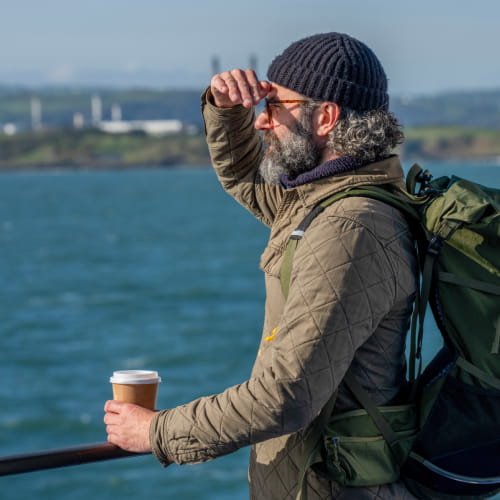
Finding the best slow travel destinations
Best slow travel destinations
At P&O Ferries, we’ve gone beyond the guidebooks to uncover some of the ultimate slow travel gems across Europe. Our in-depth research explores what truly makes a destination ideal for immersive, unrushed adventures, from clean air and scenic coastal routes to walkability, local culture, wellness experiences, and opportunities to properly switch off from the pace of everyday life.
With P&O Ferries, the journey itself becomes part of the experience. Travelling by ferry offers a more relaxed and scenic way to start your trip, allowing you to enjoy the sea views, onboard facilities, and a smoother, stress-free alternative to flying from the moment you step onboard.
Whether you’re planning a solo escape, a soulful getaway with friends, a romantic retreat, or a stress-free slow travel family break, our handpicked destinations offer something for every kind of traveller. From charming seaside towns and peaceful countryside escapes to vibrant cities best explored at a slower pace, these destinations invite you to travel more mindfully and make the most of every moment along the way.
By choosing to travel with P&O Ferries, you also have the flexibility to bring more with you and travel at your own pace, making it easier to pack for comfort and spontaneity rather than strict limitations. This freedom allows you to shape your journey around what you want to do, whether that is exploring hidden local spots, taking scenic detours, or simply enjoying longer stays in places that capture your interest.
Our Slow Travel Index
To help you find the perfect match, we’ve curated four exclusive Top 10 slow travel lists, each spotlighting a different pillar of slow travel. From serene walking routes and hidden cities to wellness retreats and nature escapes, discover where to go next — and how to get there the slow way.
Walking Destinations
Lace up your walking boots and discover Europe on foot. These handpicked walking destinations offer stunning walking routes through lush forests, coastal paths, vineyard trails, and charming countryside. Walking not only slows you down but immerses you in a place's heartbeat.
Nature Escapes
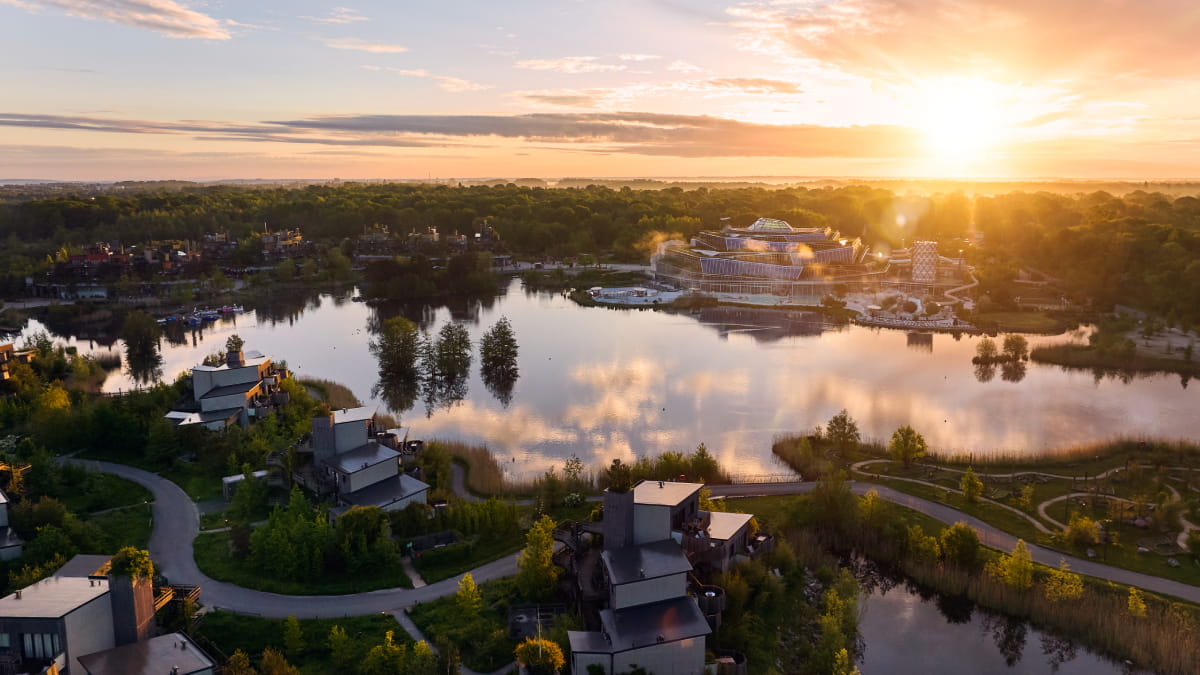
Craving a digital detox? Breathe easy in wild, open spaces. These nature escapes are perfect for reconnecting with nature, from alpine lakes and secluded valleys to peaceful national parks. Here, slowness isn’t a luxury it’s a way of life.
Hidden Cities
Ditch the crowds and uncover Europe’s best-kept secrets. Our hidden city spots are full of soul. Think cobbled streets, local cafés, and timeless architecture without the tourist traps. Ideal for curious travelers who love to wander without an itinerary.
Wellness Retreats
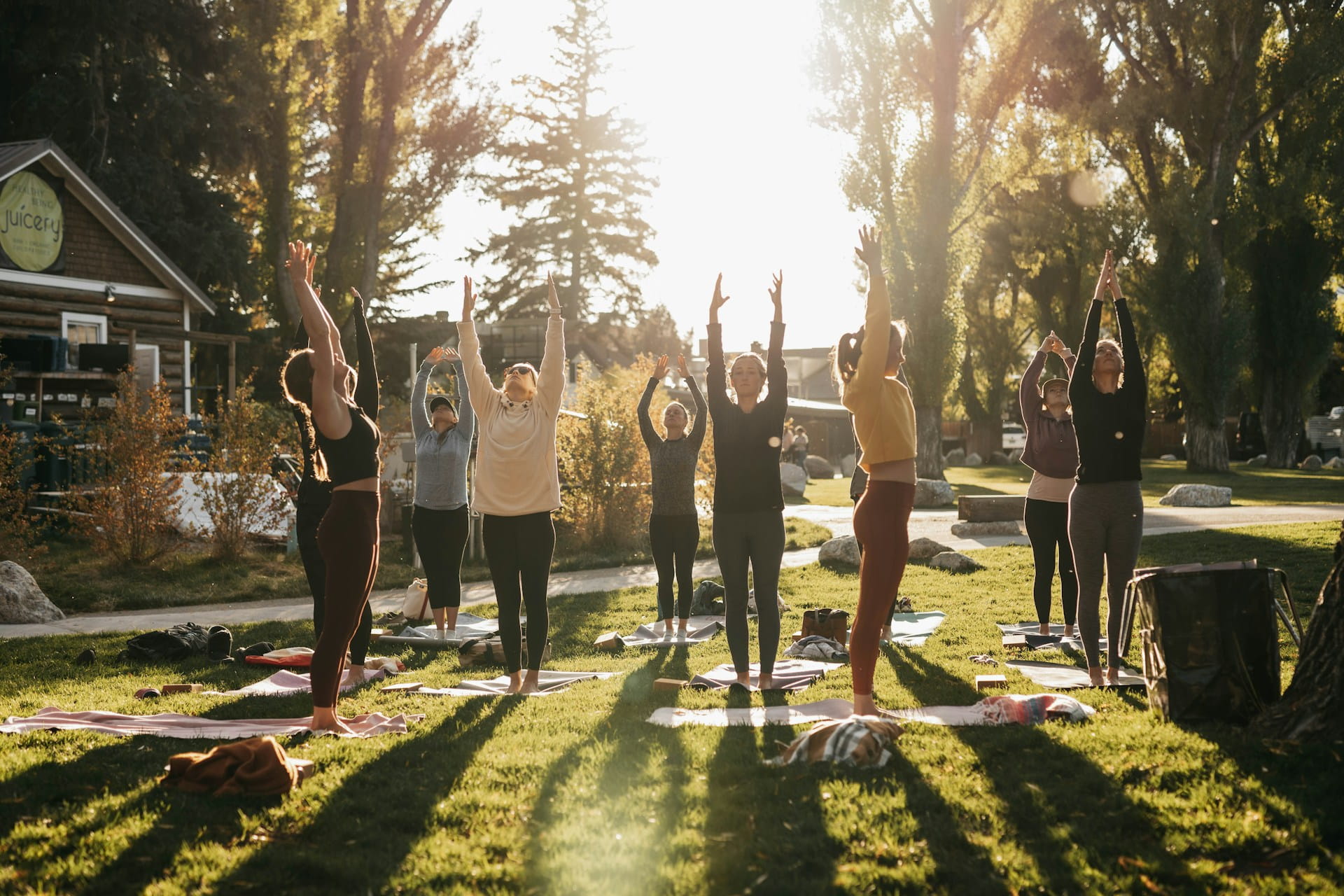
Have a total reset in places designed to restore. These wellness destinations offer spa escapes, mindful movement, thermal waters, and nourishing cuisine, all surrounded by beautiful, tranquil settings. Whether it’s for a last-minute getaway or to fully switch off to recover from burnout, these wellness retreats offer it all, because slow travel should feel as good as it looks.
Every destination in our index is carefully chosen to support a richer, more meaningful way of traveling. It is one that lets you fully experience the world, not just pass through it.
How to Plan a Slow Travel Itinerary
Crafting the perfect slow travel itinerary means simplifying. Choose depth over breadth and let your journey unfold naturally.
Here’s how:
- Pick fewer destinations to experience each place truly
- Travel by ferry instead of flying and bring your bike along too
- Stay flexible - leave space for the unexpected
- Include meaningful stops - markets, festivals, cafés
- Pack intentionally for comfort and all weather conditions
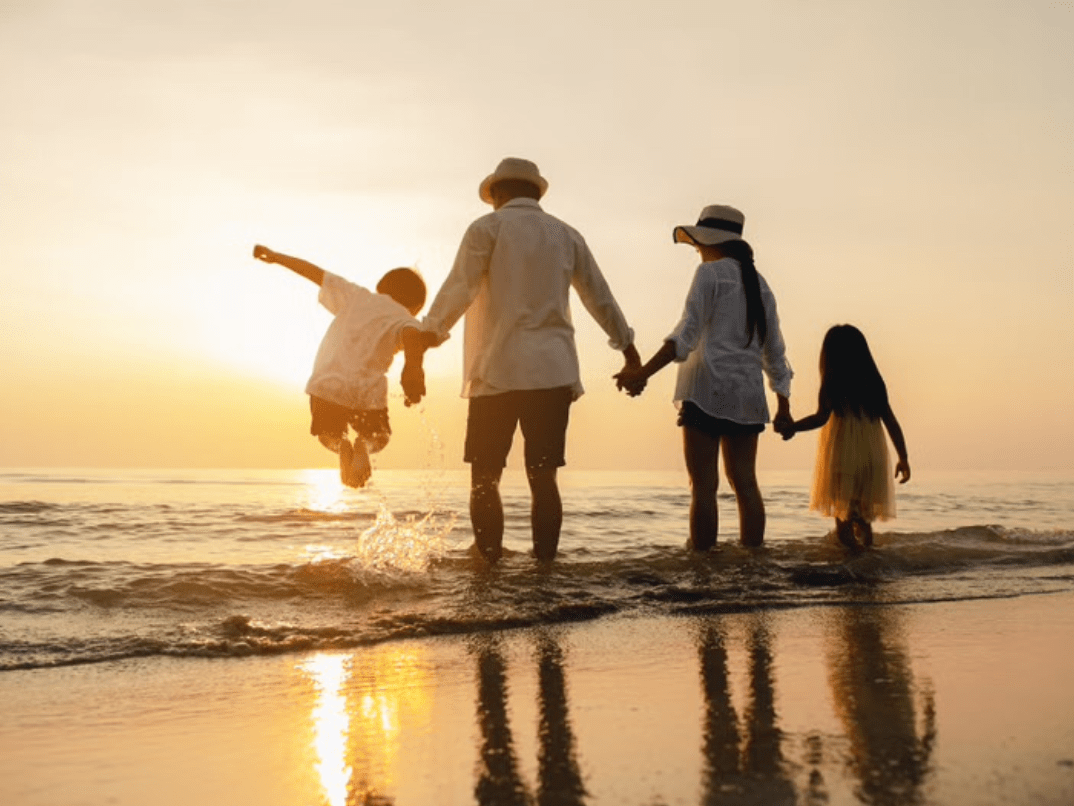
Slow Travel for Families
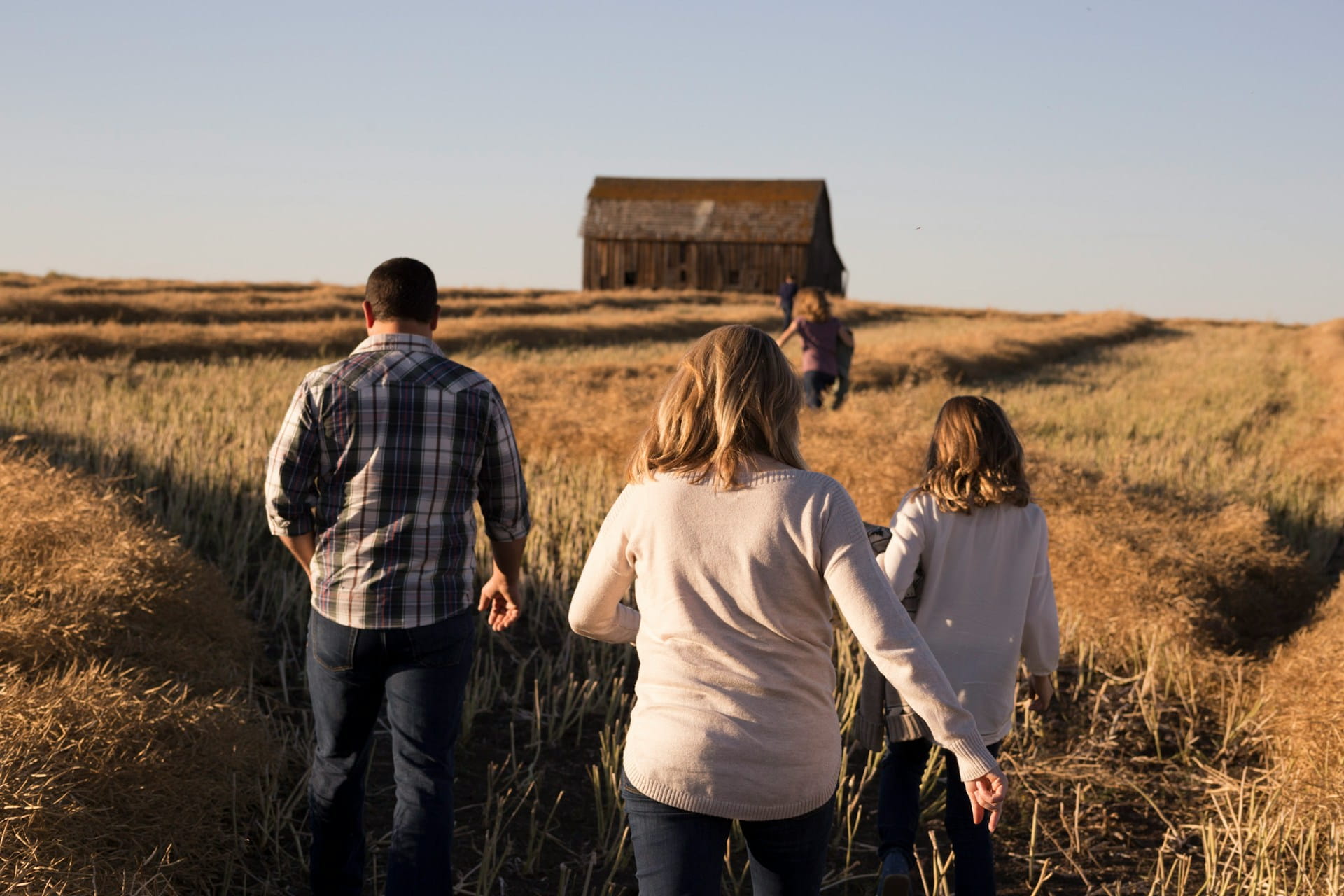
Planning a slow travel family break? It’s one of the most rewarding ways to travel with kids and often the least stressful.
Why families love it:
- More bonding, less rushing
- Educational stops and real-world learning
- Relaxed, flexible days
- Kid-friendly nature walks and local stays
Slow travel isn’t just about where you go, it’s about how you get there. And when your journey begins with the gentle rhythm of the sea, it sets the perfect tone for everything that follows.
At P & O Ferries, every crossing should be as memorable as the destination. Travelling by ferry is an experience, one that’s calm, scenic, and deeply connected to the spirit of slow travel.
Here’s why ferry travel fits seamlessly into the slow lifestyle:
-
Scenic, peaceful routes
Watch the coastline drift by and take in the changing skies as you move gently between destinations: open sea, fresh air, and breathing space.
-
No airport stress
Forget about early arrivals, security queues, and terminal chaos. With ferry travel, there’s no rush, no pressure, just an easy, unhurried start to your journey.
-
A more sustainable choice
Compared to flying, ferry travel is a lower-impact way to move across Europe. It’s a conscious choice that aligns with the values of slow, responsible tourism.
-
A relaxed onboard atmosphere
Step aboard and slow down. Our ferries offer spacious lounges, panoramic decks, and plenty of places to unwind. Travelling with kids? Onboard entertainment and play areas to keep everyone happy, making them ideal for slow-travel family breaks.
Choosing P&O Ferries means choosing to travel with intention and enjoying the journey, not just the destination. It's the start of your slow travel experience.
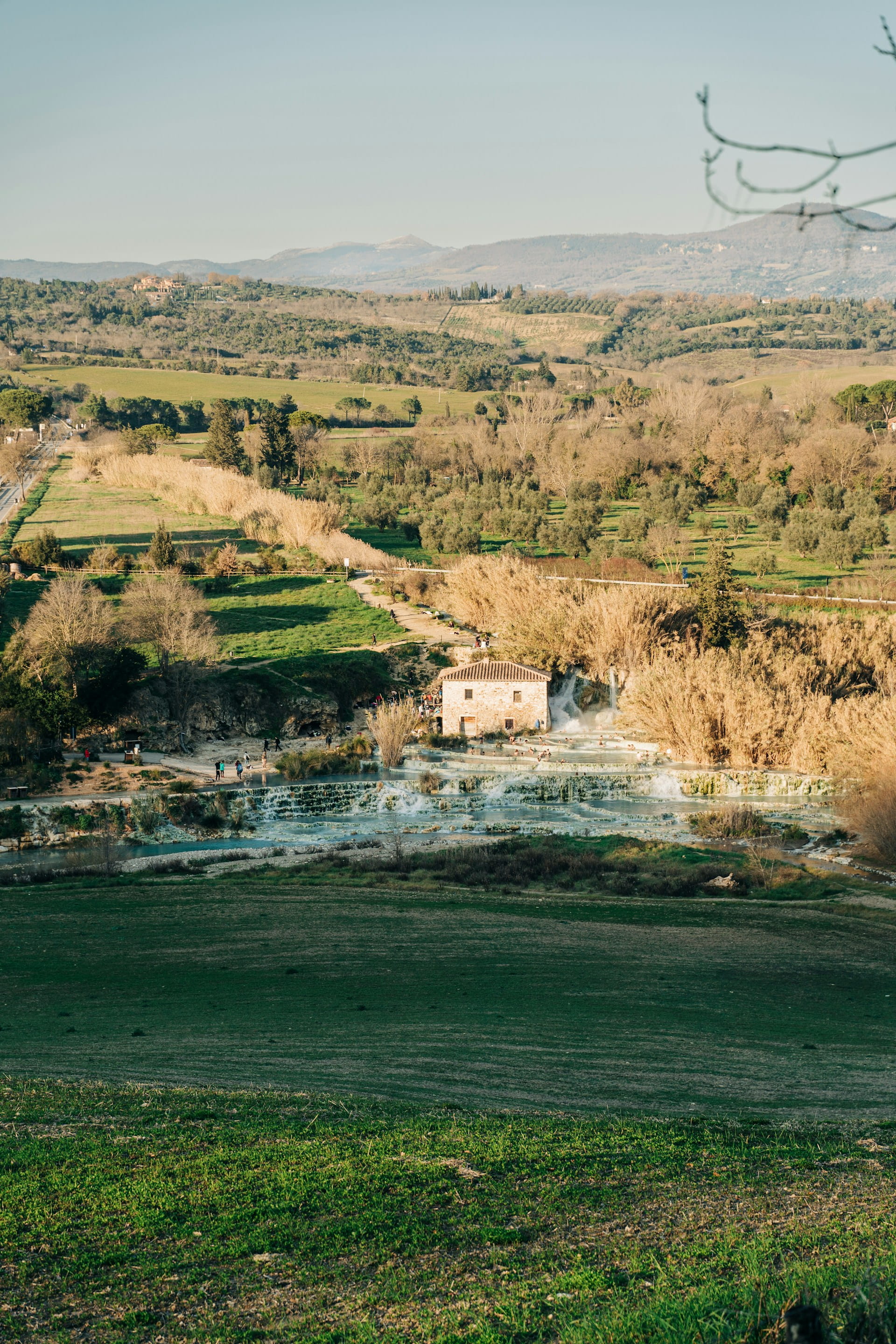
Slow Travel Destinations in Europe FAQs
A slow trip isn't necessarily about traveling at a snail’s pace (though a leisurely train ride through the Alps certainly fits the vibe). It’s a mindset that prioritizes quality over quantity. Instead of a "10 cities in 10 days" marathon that leaves you needing a vacation from your vacation, a slow trip focuses on:
-
Deep Connection: Immersing yourself in the local culture, language, and community.
-
Sustainability: Reducing your carbon footprint by staying longer in one place.
-
Presence: Swapping the "must-see" checklist for "must-feel" experiences.
Essentially, it’s about becoming a temporary local rather than a frantic tourist.
Embracing this style of travel requires a bit of unlearning. We’re often conditioned to maximize every minute, but slow travel asks you to let the minutes breathe. Here is how to start:
-
Pick a Base: Instead of hotel-hopping, rent an apartment in one neighborhood for a week or more.
-
Ditch the Rental Car: Use trains, buses, bikes, or your own two feet. You see way more detail when you aren't focused on a GPS.
-
Eat Local: Skip the chains. Visit the neighborhood bakery every morning, hit the farmers' markets, and linger over a three-hour dinner.
-
Leave Gaps in Your Schedule: Don't over-plan. Leave entire afternoons open for "getting lost" or sitting in a piazza with a book.
Slow travel is the spiritual successor to the Slow Food movement, which began in Italy in the late 1980s as a protest against a McDonald's opening near the Spanish Steps in Rome.
While the concept simmered in travel circles for decades, it truly surged in popularity around 2019 and 2020. The global pandemic acted as a massive "reset" button; as the world reopened, many travelers realized they were tired of overcrowded "bucket list" spots. Today, in 2026, it has become a mainstream preference for those looking to avoid "overtourism" and find more meaningful, restorative ways to see the world.
-
What are the benefits of slow travel?
-
What is a slow trip?
-
What is an example of slow travel?